

Published on December 12, 2025
Last updated:
If Japan is on your 2026 bucket list and you’re planning to bring your dog or cat, you’ll need more than paperwork and a flight reservation. Japan has very strict pet import rules and a unique culture around pets, public spaces, and neighbors. Understanding both will make life easier for you, your pet, and the people around you.
This guide walks you through:
- A quick overview of Japan’s pet import requirements
- Everyday etiquette in apartments and neighborhoods
- How to use public transport and taxis with pets
- Dog park, café, and public-space do’s and don’ts
- Housing rules, emergencies, and cultural “nice-to-haves” that pet parents often miss
Use this as a checklist alongside your pet relocation company or veterinarian’s medical guidance.
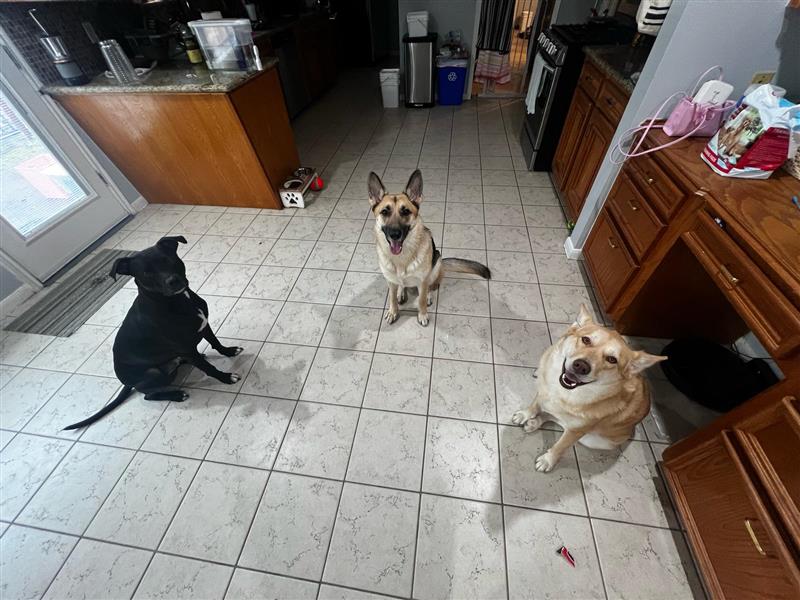
Deedee before her flight to Japan! She posed for one last photo with her cousins in the kitchen before heading to the airport for her big adventure.
1. First things first: importing a pet to Japan in 2026
world. Dogs and cats entering from non-designated countries (like the U.S.) must generally have:
- An ISO microchip implanted before any rabies vaccination
- Two valid rabies vaccinations (or more) after microchipping (the 2nd vaccination must be at least 30 days after the 1st)
- Note: The first vaccination is counted as day 0.
- A rabies antibody titer test after the 2nd rabies vaccine at an approved laboratory
- A 180-day wait between the blood draw for the titer test and arrival in Japan (or the remaining days spent in quarantine on arrival)
- Note: If your pet does not complete the full 180-day waiting period before arrival, they will have to stay in an official quarantine facility until the full 180-day wait time is complete.
- Advance notification to the Japanese Animal Quarantine Service at least 40 days before arrival
- A pre-export inspection by a government-accredited veterinarian, completed within 10 days before leaving your country of origin
- An official health certificate from the exporting country’s government (e.g., USDA in the U.S.)
If everything is perfect, most pets clear quarantine in about 12 hours. If requirements are missed, your pet can be quarantined for up to 180 days at your expense.
2. Japanese pet culture: clean, quiet, and considerate
Once you land, the focus shifts from regulations to daily life and manners.
Responsible pet ownership is the default expectation
Modern Japanese pet culture emphasizes:
- Cleanliness – pets and surroundings are kept very clean
- Control – good leash manners, well-trained, minimal barking (even in pet-friendly buildings), no lunging
- Consideration for others – especially neighbors in small apartments and crowded cities
For dogs in particular, Japanese law requires:
- City/ward registration within about 30 days of arrival or a change of ownership
- Annual rabies vaccination (fines can be up to JPY 200,000 if your pet does not get their annual rabies vaccine)
- The dog must wear its license tag and rabies tag on its collar or harness in public
- Registering your cat or dog’s microchip is free. You must bring your residence card and provide your pet’s microchip information.
Ignoring these rules isn’t just rude; it can also mean fines or trouble with your local ward office.
3. Apartments & neighborhoods: noise and “no-pet” buildings
Many people moving with pets to Japan are surprised by the differences in language and culture, and by how common “no pet” clauses are in leases.
Check your housing contract carefully
- Rental contracts clearly state whether pets are allowed or prohibited.
- Secretly keeping a dog or cat in a no-pet building can lead to eviction and financial penalties.
- “Pet-friendly” units might still have rules on size, number of pets, weight, type of pets, or additional deposits.
Barking & noise etiquette
Many buildings have thin walls; neighbors will definitely hear frequent barking. One Reddit user commented in r/Tokyo, “Lots of thin walls in Japan and it is incredibly annoying to have a neighbour’s dog barking all day.”
Excessive barking, howling, or running across floors late at night is considered very inconsiderate.
For apartment dogs, it’s worth investing in:
- Training or behavior support before your move
- Rugs or mats to reduce noise
- Crate training to help your pet feel secure when alone
Basic neighborhood etiquette
- Greet neighbors politely and mention that you have a dog or cat.
- Keep dogs on a short leash in shared hallways and elevators; Japan expects dogs to be leashed in public.
- If there’s an incident (noise complaint, scared child, muddy paw-prints), a quick apology can go a long way.
4. Dog walking in Japan: poop bags, water bottles & route planning
If you are walking your dog in Japan, it is important to clean up after them. Japan has mandatory poop-scooping rules, and you should use designated pet-friendly parks and spaces.
Picking up after your dog (and rinsing too)
In Japan, owners are expected to:
- Always carry poop bags.
- Bring a small water bottle to rinse away urine from sidewalks, walls, or poles.
- Whenever possible, let your dog go in a specific spot before leaving home (some people even encourage dogs to potty on a pee pad first).
Where you can’t walk your dog
- Many public playgrounds and some small parks do not allow dogs, even on leash. There are pet-friendly parks, but if there are flower gardens or protected wildlife, it is unlikely that your pet is welcome.
- Look for designated dog runs or clearly signed pet-friendly green spaces.
- Avoid letting your dog walk through shrines, temple grounds, or cemeteries unless it’s clearly permitted
5. Getting around: trains, Shinkansen, and taxis with pets
Japan’s public transportation is phenomenal and heavily rule-based.
Trains & subways
In general, small pets can ride trains and subways (certain types of pets may not be allowed) if they are in a secure carrier and under a certain size/weight limit. Typical rules include:
- Pet and carrier combined weight must be less than 10 kg.
- Carrier dimensions (length + width + height) must total under 120 cm.
- The carrier must stay closed for the entire journey; no heads sticking out.
- Some rail companies charge a small pet fee (often around a few hundred yen).
Etiquette tips:
- Avoid rush hours; packed trains are stressful for pets and people.
- Stand away from doors and priority seats.
- If your pet is vocal or anxious in carriers, practice well before your trip.
Shinkansen (bullet trains)
On the Shinkansen, rules are similar but enforced more strictly:
- Only small animals in carriers under the same weight/size limits.
- Pets must stay inside the carrier and on the floor or on your lap, not on bare seats.
- If riding with your dog, your dog should be trained not to bark.
- Your pet should use the bathroom beforehand, and you should put their favorite treats and toys in the carrier to create a comfortable atmosphere.
Large dogs that can’t fit within the carrier limits usually need a car, pet taxi, or air transport within Japan.
Taxis, pet taxis & ride services
Some regular taxis accept pets in carriers. Large dogs are unlikely to be able to ride in standard taxis.
Dedicated pet taxi services operate in major cities and can be worth the extra cost for airport runs or vet visits.
6. Cafés, dog runs & “animal cafés”: what’s polite (and what to avoid)
Dog cafés & pet-friendly cafés
Japan has a growing number of dog cafés and pet-friendly terraces with pet menus.
General etiquette:
- Only bring well-socialized, vaccinated pets.
- Keep your dog on a leash and close to your table.
- Don’t let pets jump on furniture unless it’s clearly allowed.
- Ask before letting your dog greet another dog or person.
Clean up accidents immediately and inform staff.
Animal cafés and ethics
Japan is famous for animal cafés (owl cafés, hedgehog cafés, etc.), but many raise serious welfare concerns. Experts note that cafés with wild or exotic animals often keep animals in stressful conditions.
For ethical reasons, many pet parents choose to:
- Skip exotic-animal cafés altogether.
- Support rescue-based cat cafés or dog cafés that prioritize welfare and adoption.
You can still enjoy Japan’s pet culture at parks, dog runs, and dog-friendly shops without contributing to questionable practices.
7. Visiting friends, vets, and new spaces: subtle etiquette that matters
Bringing your dog or cat to someone’s home
Never assume pets are welcome in a Japanese home; always ask first. Many people are allergic, fearful, or simply not set up for animals.
If invited, it’s polite to:
- Wipe paws before entering.
- Use a travel crate or mat so your dog isn’t roaming freely.
- Bring a small gift for the host (snacks, tea, or pet treats if they also have animals).
Remember that shoes come off at the entrance; some households expect pets to stay on specific floors or surfaces as well.
Choosing a veterinarian in Japan
Japanese vet clinics are some of the best in the world, with:
- Comprehensive pet insurance options.
- Many English-speaking veterinarians in urban areas.
- State-of-the-art medical equipment and treatments.
- Specialized services such as pet hotels, physical therapy, and mobile grooming.
It is important to register with your local veterinarian as soon as you arrive in Japan to ensure proper care of your pet and to meet any requirements for vaccines.
8. Seasonal and emergency etiquette: earthquakes, heat & typhoons
Japan’s natural environment adds another layer to pet care.
Summer heat & humidity
Summers are hot and very humid, especially in cities. Research how this can affect your pet’s breed.
- Asphalt can burn paws; avoid midday walks and stick to early morning/late evening.
- Never leave pets in cars; this is taken extremely seriously.
Earthquakes, typhoons & disaster prep
Local governments encourage residents to keep disaster kits and evacuation plans for pets. Common recommendations include:
- A carrier or crate your pet is comfortable in.
- 3–7 days of food, water, medications, and poop bags.
- Copies of microchip, vaccination, and registration info.
Collar and leads for dogs (non-extendable). - Pee pads and litter boxes.
- Supplies for cleaning up after your pets.
Some evacuation shelters accept pets in designated areas; others don’t. Your local ward office website will usually publish guidance.

Finn & Pearl before their big move to Osaka!
9. FAQ: Pet travel to Japan 2026
Is Japan dog-friendly for visitors and expats?
Japan can be very dog-friendly if you follow local rules: keep dogs leashed, quiet, and clean, respect no-pet areas, and choose housing that explicitly allows pets. Many cafés, dog runs, shops, and even hotels welcome dogs, especially in big cities and resort areas.
Can I take my dog on the Shinkansen in Japan?
Yes, small dogs and cats in carriers are allowed on most Shinkansen lines, as long as the total weight is under about 10 kg and the carrier is within size limits. The carrier must stay closed, on the floor or your lap, and you may need to pay a small pet fee depending on the line. Large dogs that don’t fit these limits need alternative transport.
Do I really need a 180-day wait for my pet to enter Japan?
In most cases from non-designated countries, yes. Your dog or cat must have two rabies vaccinations, a rabies antibody titer test at an approved lab, and then wait at least 180 days between the blood draw and arrival in Japan. If you arrive earlier, your pet will complete the remaining days in quarantine in Japan.
How strict is Japan about cleaning up after dogs?
Very strict. Dog owners are expected to pick up poop every time and rinse away urine with water. Being meticulous about cleanup is one of the most important ways to show respect in Japanese pet culture
Can I live in a Japanese apartment with a dog or cat?
Yes, but you must choose a pet-friendly rental and follow all rules in your contract. Keeping a pet in a no-pet property can lead to penalties or eviction. Noise, damage, and odors are taken very seriously, so good training and regular cleaning are essential.
Final thoughts
Bringing a dog or cat to Japan in 2026 can be an amazing experience, with daily walks through quiet neighborhoods, weekends exploring dog-friendly cafés, and a whole new world of pet products and services.
To keep it stress-free:
- Start your import prep early (often 6–8 months ahead).
- Train for apartment life so your pet is quiet, crate-comfortable, and okay with carriers.
- Embrace Japan’s focus on cleanliness, leashes, and respect for neighbors.
- Learn the basics of your city’s pet registration and rabies rules as soon as you arrive.
Need assistance shipping your pet to Japan? We’ve got you covered! Fill out our free request a quote form and a member of our team will reach out to you shortly to answer any questions you may have about moving your pet to Japan.

Moving your pet across the world just got less stressful. Valerie Neyra, Marketing Coordinator at WorldCare Pet and devoted cat mom to Lucky, creates the guides, tools, and resources pet parents need to navigate domestic and international pet transport with confidence. Her mission? Making sure no pet owner feels alone during a global move.