
Published on April 6, 2026
Last updated:
If you are planning on moving your pet to Colombia in 2026, it helps to start early. International pet travel is rarely just about booking a flight. In most cases, it also involves veterinary paperwork, vaccine timing, country-specific entry rules, and arrival procedures that all need to line up correctly. For pet parents moving a dog or cat to Colombia, that means understanding both Colombia’s entry requirements and any export rules that apply in the country your pet is leaving.
That is what can make the process feel overwhelming at first. Even when a destination has a clear process, small details can matter. A health certificate issued too early, missing vaccine information, or an overlooked inspection step can create delays right when you and your pet are trying to settle into a new country. Colombia’s process for dogs and cats centers on official documentation, proof of treatment and vaccination, and an ICA inspection on arrival.
If you are still in the early research stage, our Pet Travel FAQs can help answer broader questions about how international pet relocation works.
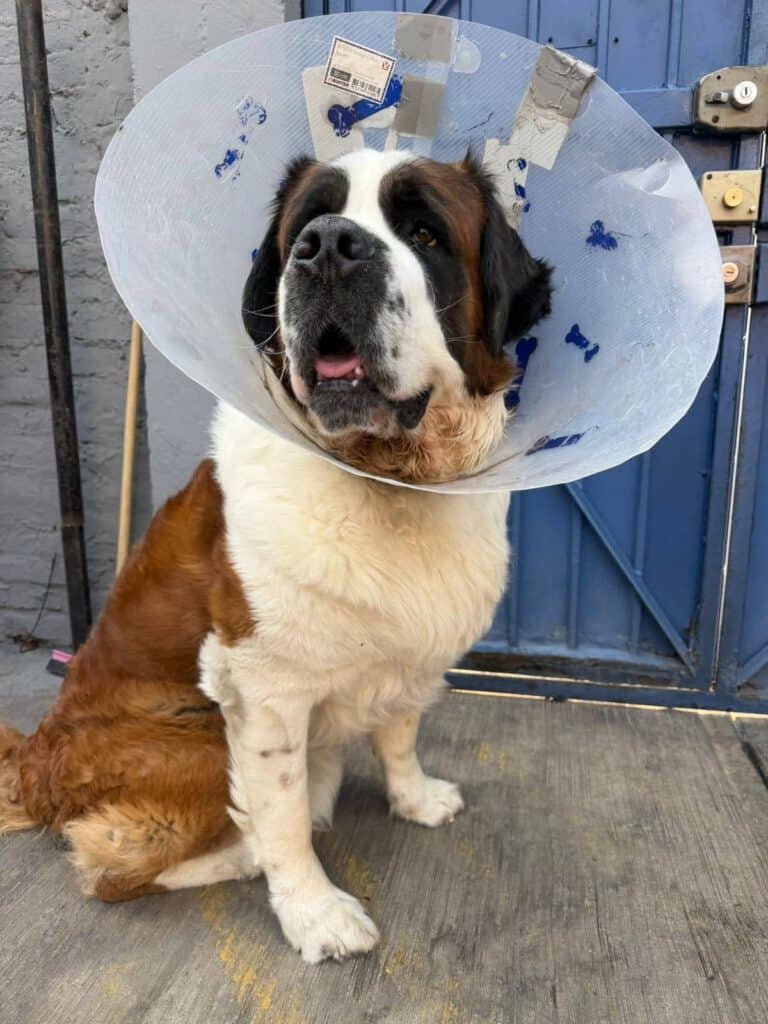
Roko, on his way to Colombia with his brother and sister.
What pet parents should know before moving a pet to Colombia
For dogs and cats entering Colombia, ICA requires pet parents to complete the inspection request process and present the proper documents on arrival. The key items include the sanitary certificate from the country of origin, current vaccination records, proof of internal and external parasite treatment, and the traveler’s inspection request for the Certificado de Inspección Sanitaria (CIS). The ICA also makes clear that pets are reviewed both through document inspection and physical inspection when they arrive.
One detail that matters a lot is timing. ICA says the sanitary certificate must be issued no more than 10 calendar days before entry into Colombia. That means pet parents should not leave the veterinary paperwork until the last minute, but they also should not complete it too early. It has to fall within the valid travel window.
What documents are usually needed
In general, pet parents should expect to prepare the original health or sanitary certificate issued or approved by the official authority in the country of origin, vaccination records, and proof that the pet received internal and external antiparasitic treatment within 60 days prior to your pets journey. ICA says the certificate should identify the pet and confirm that the animal is free of infectious and parasitic disease and fit for transport.
Before arrival, ICA also instructs travelers to complete the online inspection request process. If you are traveling with both a dog and a cat, ICA says you need a separate request for each species. If you are traveling with multiple pets of the same species (dog or cat), one request can cover up to 10 pets.
Rabies vaccination and health certificate timing
Vaccination records are a major part of moving a pet to Colombia. ICA requires current vaccine certification showing the vaccine name, batch number, administration date, and validity period. For dogs, ICA lists rabies, distemper, canine hepatitis, leptospirosis, parvovirus, coronavirus, and parainfluenza. For cats, ICA lists rabies and feline panleukopenia.
If your pet is receiving a first rabies vaccination, it must be given at least 21 days before their journey, and the minimum age for pet entry is 15 weeks. That timing can affect your travel date more than many pet parents expect, especially if you are trying to plan a move quickly.
What happens when your pet arrives in Colombia
When you arrive in Colombia, you cannot simply walk out of the airport and leave right away. ICA says you must go with your pet to the ICA office at the airport or border crossing where you are entering the country. There, officials review your documents, inspect your pet, and issue the CIS (Sanitary Inspection Certificate) if everything is in order.
If the inspection is not satisfactory, ICA says sanitary measures may include retention, home quarantine, re-export, or other official actions at the owner’s expense. That is one reason organized planning matters so much. The paperwork is not just a formality. It plays a direct role in whether your pet is cleared smoothly upon arrival.
If you are planning a USA to Colombia pet move
If your pet is traveling from the United States to Colombia, USDA adds a U.S.-specific export layer on top of Colombia’s entry rules. USDA says personal pet dogs and cats do not need an import permit for Colombia, but they do need a health certificate issued by a USDA-accredited veterinarian and endorsed by USDA APHIS within 10 days of travel, and the rabies vaccination certificate must accompany the pet and health certificate to Colombia.
A USA to Colombia pet move is not only about what Colombia wants on arrival. It is also about meeting the export steps required before your pet ever leaves the United States. USDA’s general pet-travel guidance recommends contacting an accredited veterinarian as soon as you decide to travel because destination-country requirements, certificate timing, and other steps can be time-sensitive.
Why starting early matters
For many pet parents, peace of mind comes from knowing there is a structured process in place and that nothing important is being overlooked. Starting early gives you more time to confirm the vaccine history, schedule the health certificate correctly, review airline requirements, and make sure your documents are ready before travel day. USDA specifically advises travelers to begin with an accredited veterinarian as soon as they know they will be moving internationally with a pet.
That early planning matters whether your pet is leaving the United States or another country. Colombia’s entry rules are only one part of the move. Your country of origin may have its own rules for export certificates, government endorsement, or veterinary timing. Looking at both sides of the trip early can help reduce stress and avoid last-minute surprises.
Final thoughts
Moving your pet to Colombia can absolutely be manageable, but it usually goes more smoothly when the process is planned out ahead of time. In most cases, that means understanding Colombia’s entry requirements, checking the export steps from the origin country, confirming vaccine timing, and making sure the final documents are valid when your pet arrives.
If you are actively planning a move, reviewing the process early can help you avoid delays and feel more confident about what comes next.
Need help moving your pet to Colombia?
WorldCare Pet can help guide pet parents through the paperwork, timing, and travel steps involved in an international move to Colombia. Request a free quote today!
Common Questions About Moving Your Pet to Colombia
What documents does my pet need to move to Colombia?
Pet parents should generally expect to prepare the original health or sanitary certificate from the country of origin, current vaccination records, proof of internal and external parasite treatment, and the ICA inspection request documents for the CIS process.
How soon before travel should the health certificate be issued?
ICA says the sanitary certificate must be issued no more than 10 calendar days before entry into Colombia.
Does Colombia require rabies vaccination for dogs and cats?
Yes. ICA includes rabies in the vaccination requirements for both dogs and cats entering Colombia.
How long after the first rabies vaccine can my pet travel to Colombia?
If it is the pet’s first rabies vaccination, ICA says it must be given at least 21 days before your pet’s trip.
What happens when my pet arrives in Colombia?
Your pet must be presented to ICA at the point of entry for document review and physical inspection. If everything is satisfactory, ICA issues the CIS.
Do I need an import permit for a USA to Colombia pet move?
USDA says personal pet dogs and cats traveling from the United States to Colombia do not need an import permit, but they do need the required health certificate and rabies paperwork.

Moving your pet across the world just got less stressful. Valerie Neyra, Marketing Coordinator at WorldCare Pet and devoted cat mom to Lucky, creates the guides, tools, and resources pet parents need to navigate domestic and international pet transport with confidence. Her mission? Making sure no pet owner feels alone during a global move.