

Published on October 28, 2025
Last updated:
Planning Your Move to Belgium with Your Pet
Relocating your pet internationally can feel overwhelming, especially when it comes to navigating all the veterinary and government paperwork required for export and import. From coordinating USDA endorsements to clearing customs, every step, from start to finish, must be completed in the correct order and within specific timelines to ensure your furry companion arrives safely and stress-free.
This guide explains how to move your pet to Belgium from the USA, including mandatory health requirements, document timelines, and key travel tips for a successful relocation provided by our team here at WorldCare Pet Transport and based on EU regulations.
Important update for late 2026 moves: the EU is transitioning to a new non-commercial pet health certificate. The current certificate can still be endorsed by USDA through September 30, 2026, but starting October 1, 2026, only the new certificate format will be accepted for entry into Belgium and other EU member states. If your move falls near this date, talk to your Pet Relocation Counselor early so your paperwork is prepared on the correct certificate for your travel window.
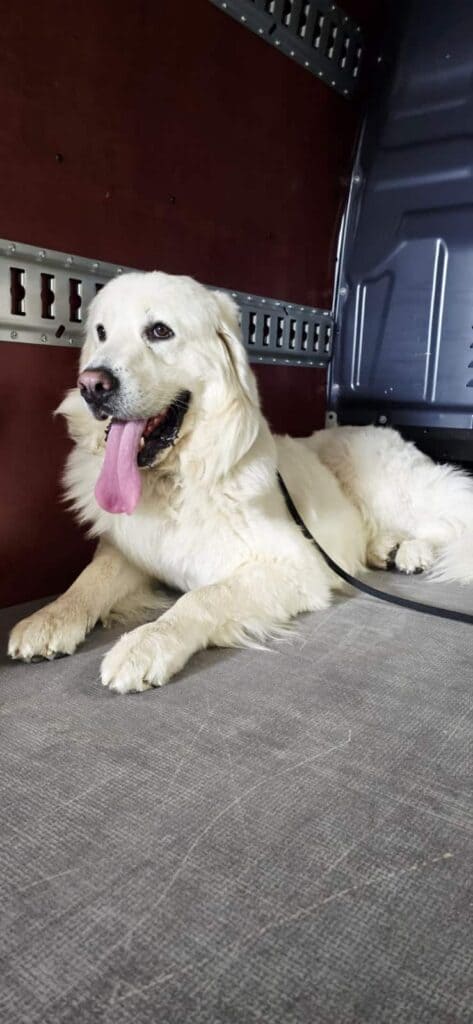
Walus, who moved with us 6 times and most recently moved from the USA to Belgium.
Step 1: Microchip Identification
Before anything else, your pet must have a 15-digit ISO-compliant microchip implanted before receiving any rabies vaccinations.
- Have your veterinarian scan the chip at every visit to confirm it’s functioning and matches all paperwork.
- Proof of the implant date prior to rabies vaccination is mandatory for entry into Belgium.
Note: If your pet’s microchip cannot be read or the number is missing from the certificate, it may delay your pet’s clearance at arrival.
Step 2: Rabies Vaccination
Belgium requires a valid rabies vaccination at least 21 days old at the time of entry.
- The vaccine must be administered by a USDA-accredited veterinarian.
- Records must include your full name and address, pet’s details, vaccine manufacturer, serial number, and your vet’s hand-signed signature.
- A 3-year rabies vaccine is accepted only if your pet has never had a lapse since their initial primary vaccination.
If there’s any gap in your pet’s rabies history, the 3-year vaccine cannot be used, your pet will need to restart with a new 1-year primary vaccine.
Step 3: Recommended Vaccinations
While not required for import, we strongly encourage maintaining general immunizations for your pet’s well-being during travel.
Dogs: DHPP+L (Distemper, Hepatitis, Parvovirus, Parainfluenza & Leptospirosis) and Bordetella (kennel cough within the past 6 months).
Cats: FVRCP (Feline Viral Rhinotracheitis, Calicivirus, Panleukopenia).
Keeping these vaccines current helps prevent illness and reduces stress on long journeys.
Step 4: Health Certificate and USDA Endorsement
Your USDA-accredited veterinarian must complete two essential documents before travel:
-
EU Health Certificate
- Confirms your pet meets all health and identification standards.
- Must be signed by you (the pet parent) on the final page under the “Owner Declaration.”
- The certificate is valid for 30 days from the date your vet signs it. USDA endorsement must happen within 10 days of your pet’s arrival in the EU, so timing this step correctly is key to avoiding a certificate that’s endorsed too early or too late relative to your travel dates.
-
International Fit-to-Fly Certificate (APHIS 7001)
- Confirms your pet was examined and is healthy for air travel.
- Required by airlines and issued during the same vet appointment as the EU Health Certificate.
If working with our WorldCare Pet Documents Team, we will pre-complete both forms and coordinate endorsement with the USDA to ensure all details are accurate and timely.
Step 5: Customs Clearance in Belgium
Customs in Belgium is thorough and typically takes 3–6 hours.
- Pets remain in a secured area during this process, and updates or photos are not permitted.
- Pets are offered water during clearance.
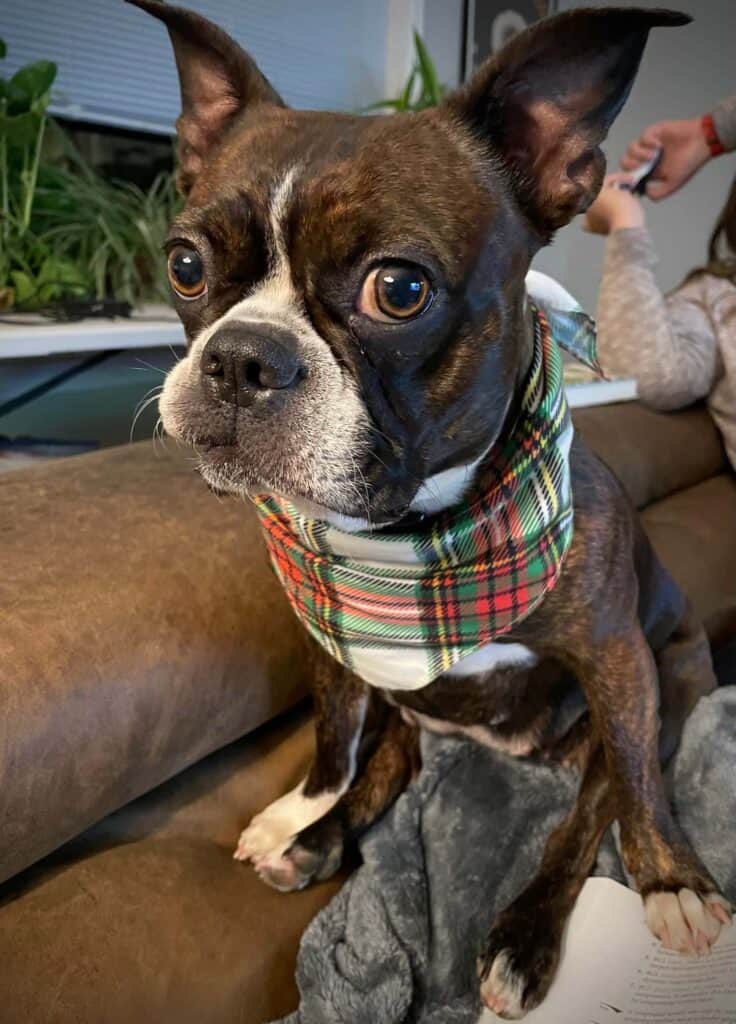
Fiddle, a dog we moved from the USA to Belgium this past spring.
Documents Required for Entry
All original documents must travel with your pet, photocopies are not accepted:
- Original USDA-endorsed Annex IV Belgium EU Health Certificate & Owner Declaration
- Original Rabies Vaccination Certificate
- Original Microchip Scan Statement
- Original Fit-to-Fly Certificate (APHIS 7001)
- (Optional) General vaccination certificates
Note: If your pet is not traveling within ±5 days of your own arrival, and you are working with our team, notify your Pet Relocation Counselor immediately.
Special Travel Considerations
A few uncontrollable factors can affect travel timing:
- Airline embargoes due to extreme temperatures or overcapacity
- Equipment changes or unsuitable aircraft for crate size
- Strikes, weather, or labor shortages
Preparing for possible travel delays is key to a smooth pet relocation experience. At WorldCare Pet Transport, your Pet Relocation Counselor will review all available options to keep your pet’s journey safe.
After Arrival in Belgium
Once your pet has arrived safely:
- Avoid feeding or giving large amounts of water right away. Offer small portions and gradually increase over the first hour.
- Keep your pet on flea and tick preventatives year-round during your stay.
- Confirm your housing in Belgium accepts pets before arrival.
Sedation & Comfort
The use of any sedative is strictly prohibited for air travel. The effects at altitude can be unpredictable and may cause serious health issues. If your pet experiences anxiety, your counselor can recommend safe homeopathic or natural calming options.
Note: Always consult your veterinarian to ensure these options are safe and appropriate for your pet(s).
Frequently Asked Questions: Move Your Pet to Belgium from the USA
Do pets need a rabies titer (FAVN) to enter Belgium from the USA?
No. When traveling directly from the United States (a rabies-controlled country), Belgium does not require a rabies antibody titer (FAVN) test.
Is there quarantine for pets on arrival in Belgium?
No. Belgium does not require quarantine for cats or dogs arriving from the USA that meet all entry requirements.
What travel crate is required for flights to Belgium?
Use a hard-sided, IATA-compliant kennel. Soft-sided carriers aren’t accepted for cargo travel. The crate should allow your pet to stand, turn, and lie down comfortably; have a secure metal door; ventilation on three to four sides; attached water/food bowls; and absorbent lining. For “paw-safe” ventilation, use mesh/openings no larger than 1″ × 1″ for dogs and ¾” × ¾” for cats.
Useful Links
- WorldCare Pet Transport
- ABCs of Pet Travel
- USDA Pet Travel – Belgium
- Belgium Pet Transport
- Request a Free Quote
Why Pet Parents Trust WorldCare Pet to Transport Pets to Belgium
With 25+ years of international experience, WorldCare Pet Transport provides a fully coordinated door-to-door service, managing every step from health certificates to customs clearance. Whether it’s dog transport to Belgium, cat relocation, or an entire family move, our experts handle the logistics so you can focus on settling in.
Your dedicated Pet Relocation Counselor will be by your side every step of the way, because we treat every pet like family.

Moving your pet across the world just got less stressful. Valerie Neyra, Marketing Coordinator at WorldCare Pet and devoted cat mom to Lucky, creates the guides, tools, and resources pet parents need to navigate domestic and international pet transport with confidence. Her mission? Making sure no pet owner feels alone during a global move.