
Published on May 15, 2026
Last updated:
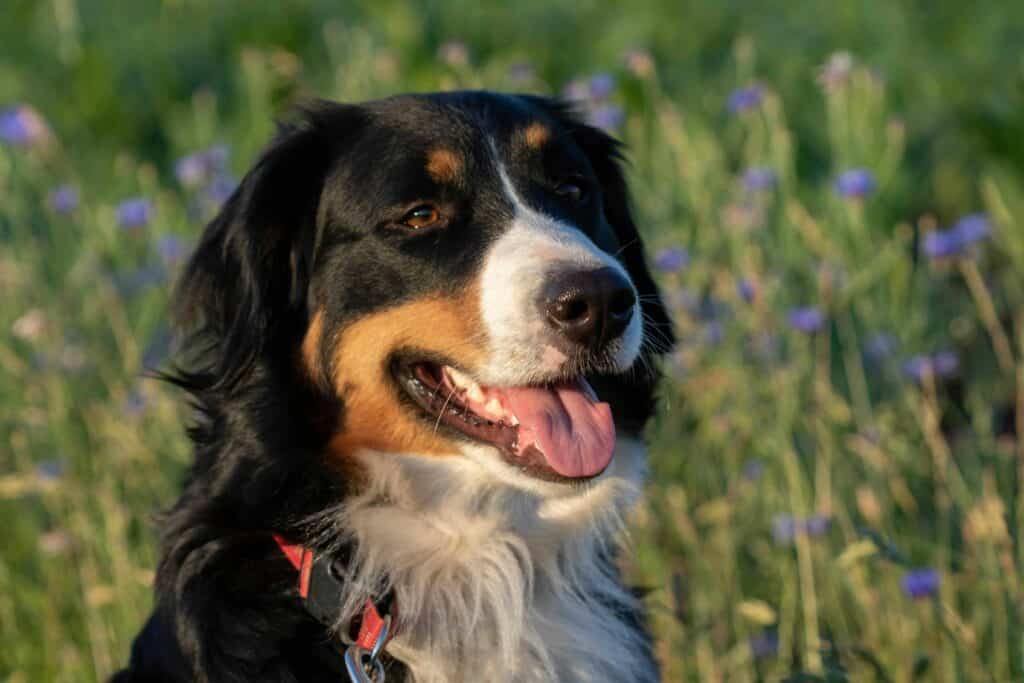
Flying with a large dog can be a daunting task. Many pet owners worry about the logistics and comfort of their furry friends.
Understanding airline policies is crucial. Each airline has different rules for flying with pets, especially large dogs.
Choosing the right pet-friendly airline can make a big difference. Some airlines offer better accommodations for large dogs than others.
Preparation is key to a smooth journey. From crate training to health checks, there are many steps to ensure your dog is ready.
This guide will provide you with essential tips and information. You’ll learn how to make air travel safe and comfortable for your large dog.
Understanding Airline Policies for Large Dogs
Flying with large dogs involves different rules compared to smaller pets. Each airline has unique policies to consider.
Size and weight restrictions vary by airline. Some airlines have stricter limits on the size of the crate.
Dogs that cannot fit in a cabin-approved bag must travel as cargo. Understanding this is crucial for planning.
Here’s what to check in an airline’s pet policy:
- Crate size and type requirements
- Weight limits for pets and crates
- Travel fees for pets
Always read the airline’s specific policies. It’s also wise to contact the airline directly for clarity on their rules.
Familiarizing yourself with policies helps avoid surprises on travel day. You’ll ensure a smoother experience for both you and your pet.
Choosing the Right Pet-Friendly Airline
Selecting the right airline is crucial for large dog travel. Not all airlines accommodate large dogs in the same way. Research thoroughly before booking.
Look for airlines known for their pet-friendly services. Read reviews from other pet owners for insights.
When evaluating airlines, consider the following factors:
- Availability of direct flights
- Size and weight limitations for large dogs
- Customer service responsiveness for pet-related queries
Choosing the right airline can make a big difference in travel ease. Some airlines are more accommodating and have better pet cargo facilities.
Contact airlines directly to discuss specific needs. This ensures your dog receives the best care possible.
Taking these steps helps ensure a comfortable journey for you and your canine companion.
Booking Your Flight: What to Know
Booking early is essential when flying with large dogs. Spots for pets can be limited, especially during peak travel times.
When booking your flight, be mindful of the following:
- Confirm pet reservation with the airline
- Choose flights that accommodate pet crate sizes
- Select direct flights whenever possible
Always double-check pet policy changes before finalizing your booking. Policies may vary between airlines and even routes. By planning ahead, you ensure a smoother travel experience for both you and your dog.
Preparing Your Large Dog for Air Travel
Preparation is key for a successful journey with your dog. Start by familiarizing your dog with their travel crate.
Train them to see it as a safe space by letting them spend time inside. Include their favorite toys or a familiar blanket.
Before the journey, consider the following steps:
- Conduct basic obedience training
- Gradually increase crate time
- Practice short car trips
Visit your vet for a health check and discuss travel concerns. Your vet can recommend calming techniques or medications if necessary.
Acclimate your dog to the sounds and sights they may encounter at the airport. This reduces anxiety on the actual travel day.
Lastly, ensure your pet’s exercise needs are met before flying. A well-exercised dog is a calmer traveler.
Crate Training and Equipment Requirements
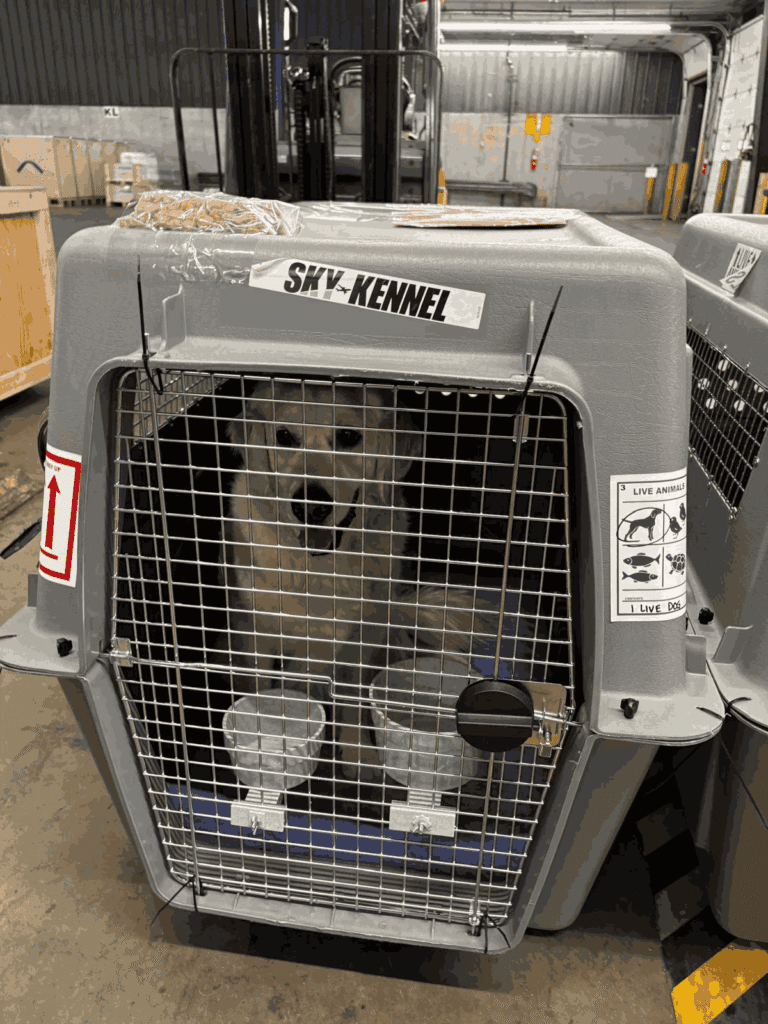
Choosing the right crate is essential for a safe trip. Ensure it meets airline requirements and is large enough for your dog to stand, turn, and lie down comfortably.
A crate must have proper ventilation and be sturdy. Look for crates labeled as IATA-approved, which signifies that they meet international air travel standards.
Here are the key features your crate should include:
- A solid, safe carrier that closes securely
- Door locking mechanism
- Adequate ventilation on all sides
- No top-loading door
- Metal blots & nuts to secure top & bottom
Additionally, attach two cups for water and food, ideally, one that allows for external filling. This should be mounted inside the carrier and easily accessible to your dog.
Practice crate training well in advance. A familiar and comfortable environment will make a big difference.
Health Checks, Documentation, and Vaccinations
Before flying with a large dog, schedule a vet appointment. Ensure your dog is healthy for travel and update any vaccinations.
It’s crucial to obtain travel-specific documentation. Airlines often require a health certificate issued within ten days of travel.
The following documents might be needed:
- Health certificate from a certified veterinarian
- Vaccination records, including rabies
- Microchip information
- Airline-specific forms
Each destination may have unique requirements. Check for any specific entry needs such as additional vaccinations or quarantine regulations. Keeping your paperwork organized and accessible will help prevent any last-minute issues at the airport.
In-Cabin vs. Cargo: What Are Your Options?
When flying with pets, understanding your options is key. Large dogs typically have to travel in cargo due to size restrictions.
Traveling in cargo is not as bad as it sounds. Airlines often have climate-controlled areas specifically designed for pets. They ensure proper ventilation and temperature regulation.
Consider these options:
- In-Cabin: Rare for large dogs.
- Cargo: Common for large breeds.
Research the conditions of both options before booking. Knowing the pros and cons will help you make an informed decision. Always choose the safest and most comfortable option for your dog. For a closer look at how cargo travel actually works, including the booking process, safety standards, and what to expect on travel day, see our guide on whether dogs can fly alone.
Costs and Fees for Flying with Large Dogs
Flying dogs can be expensive. Large breeds often incur higher costs than smaller pets. It’s important to budget ahead of time.
Expect fees for your dog’s travel that vary by airline. Typically, cargo fees are charged based on the size and weight of your dog and crate.
Here are some potential costs you might face:
- Cargo Fees: Charged per kennel size and weight
- Health Checks: Vet visits for vaccinations or certificates
It’s wise to contact multiple pet-friendly airlines to compare their fees. Understanding these costs helps you better prepare financially for your trip.
Airport Day: Tips for a Smooth Experience
Arriving early at the airport can ease the stress of check-in and security procedures. Plan to be there well before your flight time.
Familiarize yourself with pet check-in procedures in advance. Being prepared for any paperwork or additional steps can save time and hassle.
Here are some practical tips for airport day:
- Arrive Early: Allow extra time for unexpected delays
- Exercise Your Dog: A tired dog is a calm dog
- Hydrate: Ensure your dog drinks water before flying
- Stay Calm: Your dog senses your emotions
Staying positive and maintaining a routine will help your dog feel secure. Remember, a calm owner leads to a calm pet during pet air travel.
International Travel with Large Dogs
Flying internationally with large dogs requires extra preparation. Different countries have various entry requirements for pets. Research your destination’s import requirements ahead of time to avoid surprises.
Before embarking on international pet air travel, check if your destination mandates quarantine or specific vaccinations. It’s crucial to have your dog’s health records updated and ready.
Here’s a checklist for international travel with dogs:
- Check Entry Requirements: Rules vary by country
- Update Vaccinations: Ensure all shots are current
- Prepare for Quarantine: Some countries require it
- Gather Health Documents: Proof of health is crucial
Understanding and complying with these regulations will ensure a smoother journey for both you and your large dog.
Safety, Comfort, and Stress Reduction for Your Dog
Ensuring your dog’s comfort during flights is paramount. Start by acclimating them to their travel crate at home. A familiar crate helps reduce anxiety.
Maintain a calm environment to ease their nerves. Bring along their favorite blanket or an old t-shirt that smells like home for reassurance. Familiar objects provide a sense of safety in new settings.
Stress-reducing practices are vital for large dog travel. Exercise your dog well before the flight. It helps them stay relaxed and less restless during the journey.
Here are additional stress reduction tips:
- Hydrate: Keep water accessible
- Comfort Items: A blankets or old t-shirt helps calm dogs
- Vet-Approved Calming Aids: If needed, use safely
Alternatives to Flying with Large Dogs
Flying isn’t the only option for pet travel. Consider alternative transport modes if air travel is daunting for your dog. These alternatives can offer less stress and more comfort.
Here are some options:
- Road Trips: Driving allows for frequent breaks
- Professional Pet Transport Services: Experts handle logistics
Each alternative offers its own set of benefits for traveling with dogs. Choose what’s best for your pet’s needs and well-being.
Final Tips for Successful Large Dog Travel
Traveling with dogs, especially large ones, requires thoughtful planning. Prepare well in advance to ensure a smooth experience for both you and your dog.
Remember these final tips:
- Maintain a familiar routine for your dog.
- Practice using the travel crate.
- Discuss any health concerns with your vet.
These strategies will help you confidently start your travel journey with a large dog, making sure your pet is comfortable and safe.
Your Dog’s Move Deserves Careful Planning
Whether you’re ready to book or just exploring your options, request a free quote and let our team guide you through the process.

Moving your pet across the world just got less stressful. Valerie Neyra, Marketing Coordinator at WorldCare Pet and devoted cat mom to Lucky, creates the guides, tools, and resources pet parents need to navigate domestic and international pet transport with confidence. Her mission? Making sure no pet owner feels alone during a global move.