

Published on June 3, 2026
Last updated:
A Repeat Pet Travel Story Worth Sharing
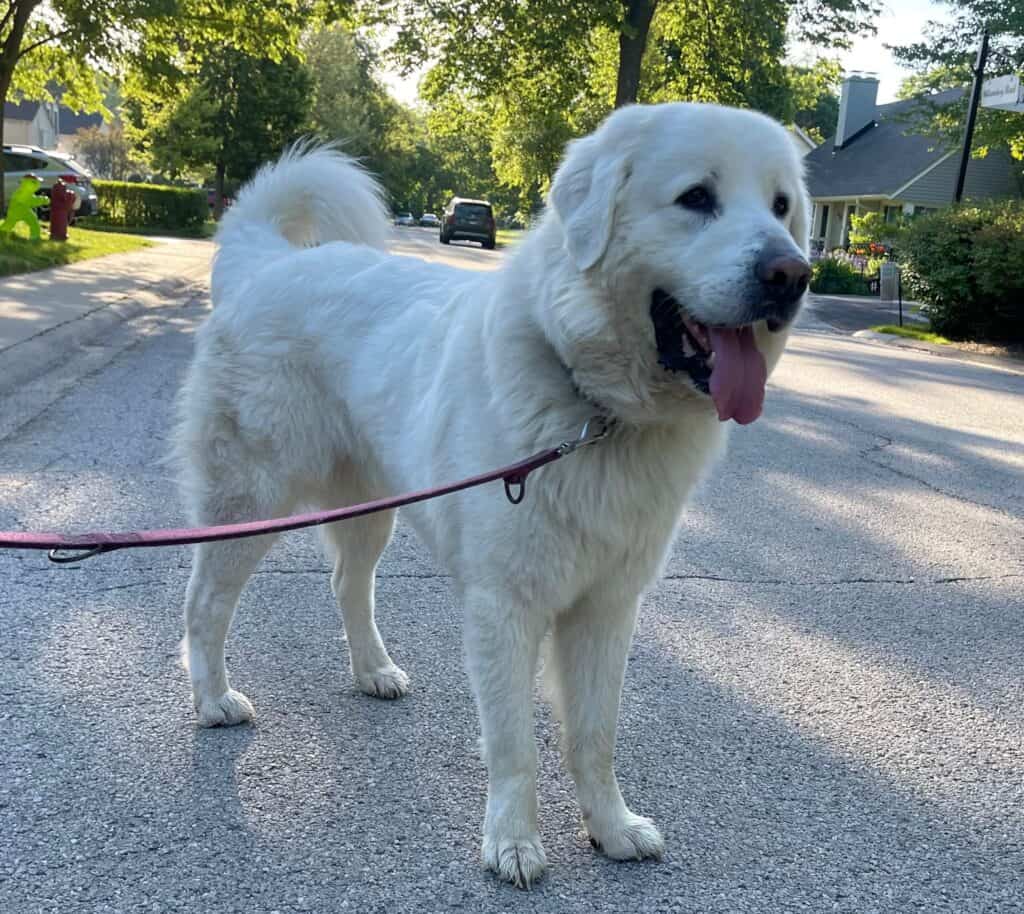
Meet Walus, a seasoned international traveler who has moved between Belgium and the USA six times with WorldCare Pet Transport.
Some pets move once in their lifetime. Others become seasoned international travelers.
At WorldCare Pet Transport, we have had the privilege of helping one very special dog named Walus move between the USA and Belgium six times. That means multiple international relocations, multiple sets of travel documents, multiple flights, and multiple moments where this pet parent trusted our team to help get their dog safely from one country to another.
For many pet parents, moving a dog internationally can feel overwhelming the first time. There are country requirements to understand, airline rules to follow, health certificate deadlines to meet, and plenty of emotional worry along the way. But when a dog relocates successfully between the USA and Belgium again and again, it shows what careful planning, proper documentation, and experienced coordination can make possible.
This story is more than a milestone. It is a helpful reminder that international pet relocation is not just about booking a flight. It is about understanding the full journey from the first document review to the final reunion.
Why This Story Matters for Pet Parents Moving Internationally
Moving a dog between the USA and Belgium is not always a one-time event. Pet parents may relocate for work, family, military assignments, corporate transfers, or long-term international opportunities. Some families move abroad, return home, and later move again.
Each move may feel familiar, but every trip still needs to be planned carefully. Requirements can change. Airline policies can shift. Flight routes may be different depending on the season, airport, temperature restrictions, or pet travel availability. Even if a dog has traveled internationally before, the next move still deserves a fresh review.
That is why repeat moves like this one matter. A dog who has traveled between the USA and Belgium six times is a real example of how professional planning can support pets and their people through complex international transitions.
Moving a Dog from the USA to Belgium: What Pet Parents Should Know
Belgium is part of the European Union, which means dogs entering Belgium from the United States must meet EU pet import requirements. While every pet’s situation should be reviewed individually, most dog moves from the USA to Belgium involve careful attention to microchip information, rabies vaccination records, health certificate timing, and travel documentation. For dogs moving from the USA to Belgium, pet parents should always review the official USDA APHIS pet travel requirements for Belgium before travel.
One of the most important details is the order of the microchip and rabies vaccination. For EU travel, your dog’s microchip must be implanted and scanned before the rabies vaccination used for travel. This matters because a rabies vaccine given before the microchip, or without the microchip being scanned, may not count for EU travel purposes.
Pet parents should also be aware that timing matters. If a dog is receiving a primary rabies vaccination for EU travel, there is typically a waiting period before the pet is eligible to enter the EU. Rabies records must be reviewed carefully, especially if there has been a lapse in vaccine coverage or if the dog has received multiple rabies vaccines over time.
For many pet parents, this is where the process can become confusing. A dog may be fully vaccinated for normal life in the United States, but the paperwork must still meet the destination country’s requirements. That is why reviewing records early is one of the most important steps in a successful international pet move.
Moving a Dog from Belgium Back to the USA
Returning to the United States also requires planning. Dogs entering or returning to the U.S. must meet CDC import requirements, and the specific steps can depend on where the dog has been in the six months before arrival.
For dogs traveling from Belgium to the USA, pet parents should be prepared to review CDC requirements before travel. Current U.S. dog import rules include a CDC Dog Import Form receipt for each dog entering the United States. Dogs must also meet health, age, and microchip requirements. Pet parents can visit the CDC Dog Import Form instructions page for step-by-step guidance on completing the form before their dog enters or returns to the United States.
Even when a pet parent has completed an international move before, it is important not to assume the return trip will be exactly the same. Requirements can change, and documentation should always be reviewed before booking travel.
What Made This Dog’s Six Moves Successful?
This dog’s repeated moves between the USA and Belgium were successful because each relocation was treated as its own carefully planned journey.
A repeat pet move does not mean the process can be skipped. It means the team has a history with the pet, understands the family’s needs, and can use past experience to help guide the next move. However, every new relocation still requires current document review, airline coordination, and timeline management.
For this dog, success came down to several important factors:
1. Early Planning
International dog relocation works best when pet parents start early. Some requirements can take weeks or months depending on the country, vaccine history, bloodwork needs, government endorsements, and flight availability.
Starting early gives the team time to review records, identify potential issues, and build a travel timeline that supports the pet’s safety and comfort.
2. Organized Veterinary Records
For dogs traveling between the USA and Belgium, rabies vaccination records and microchip information are especially important. Pet parents should keep copies of rabies certificates, microchip records, prior health certificates, and any travel documents from previous moves.
For repeat international travelers, this record history can be extremely valuable. It helps determine whether a vaccine is considered primary or booster, whether there has been any lapse in coverage, and whether the documentation supports the next move.
3. Careful Review of Country Requirements
International pet travel is not one-size-fits-all. Belgium has its own entry process as part of the EU, while the United States has its own dog import requirements through the CDC.
A successful move depends on reviewing the current requirements for the exact route, destination, travel date, and pet. Even if a dog has traveled the same route before, the rules should be checked again before each move.
4. Airline and Routing Coordination
Choosing a pet-friendly route is one of the most important parts of international dog transport. The best route is not always the shortest route or the cheapest flight. Pet travel availability, aircraft type, airline rules, layover timing, weather, breed considerations, and airport handling procedures can all affect the plan.
For a dog moving between the USA and Belgium, the route must support both compliance and comfort.
5. Communication with the Pet Parent
International moves are emotional. Pet parents are trusting someone else with a beloved member of their family, often while they are managing their own relocation at the same time.
Clear communication helps reduce uncertainty. Updates, expectations, document reminders, and travel guidance all help pet parents feel more prepared and supported throughout the journey.
What Pet Parents Can Learn From a Dog Who Relocated 6 Times
A dog moving internationally six times is not just a fun story. It is proof that with the right preparation, international pet relocation can be managed safely and thoughtfully.
Here are the biggest lessons for pet parents planning a dog move between the USA and Belgium:
Do Not Wait Until the Last Minute
Some pet travel requirements have strict timelines. Waiting too long can limit flight options, delay health certificate preparation, or create avoidable stress.
If you know you may be moving internationally, start reviewing your pet’s records as early as possible.
Make Sure the Microchip Can Be Scanned
For international travel, the microchip is not just a formality. It connects your dog to their vaccination records and travel documents. If the microchip cannot be scanned or does not match the paperwork, it can create serious travel issues.
Before travel, ask your veterinarian to scan the microchip and confirm that the number matches your dog’s records.
Keep Rabies Certificates Organized
Rabies documentation is one of the most important parts of international dog relocation. Keep every rabies certificate in a safe place, especially if your dog has traveled internationally before.
For EU travel, the order and timing of rabies vaccines matter. A professional review can help determine whether your dog’s records support the planned move.
Check Requirements Every Time
Even if your dog has moved before, each relocation should be reviewed as a new trip. Import rules, airline policies, seasonal restrictions, and documentation standards can change.
Repeat travel experience is helpful, but it does not replace a current review.
Work With a Pet Relocation Team That Understands the Full Process
International pet relocation involves more than paperwork. It includes planning, timing, communication, flight coordination, customs preparation, and pet care considerations.
A professional pet relocation company can help pet parents understand the process, avoid common mistakes, and create a move plan built around their pet’s needs.
Why Pet Parents Choose WorldCare Pet Transport for Repeat Moves
When a pet parent chooses the same relocation company again and again, it says something important.
It says they felt supported.
It says communication mattered.
It says their pet’s safety and comfort were taken seriously.
It says the experience gave them enough trust to come back for the next move.
At WorldCare Pet Transport, we understand that pets are family. Whether a dog is moving internationally for the first time or crossing the Atlantic again, our goal is to make the process as smooth, safe, and well-coordinated as possible.
From reviewing documentation to coordinating travel logistics, our team helps pet parents understand what needs to happen before, during, and after an international move.
Planning a Dog Move Between the USA and Belgium?
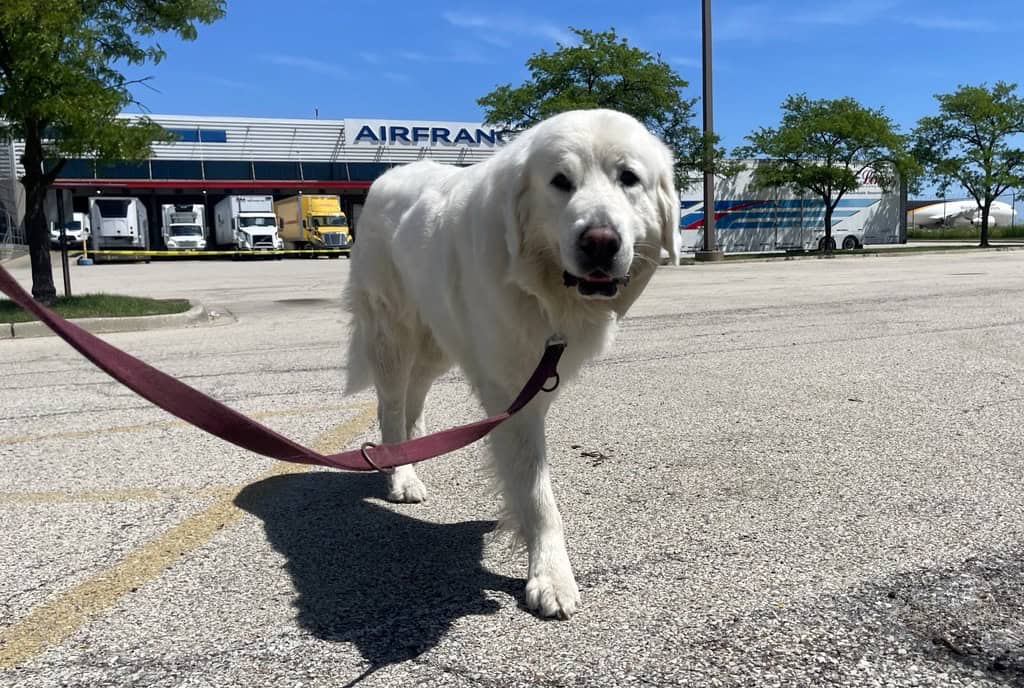
If you are planning to move your dog from the USA to Belgium, Belgium to the USA, or another international destination, the best place to start is with a review of your pet’s travel timeline and records.
Your dog’s microchip, rabies vaccine history, age, breed, destination country, and travel date can all affect the relocation process.
WorldCare Pet Transport can help you understand the next steps and create a customized relocation plan for your pet.
Request a free quote today and let our team help you plan your dog’s international move.
Frequently Asked Questions About Moving a Dog Between the USA and Belgium
Can I move my dog from the USA to Belgium?
Yes, dogs can move from the USA to Belgium, but they must meet Belgium and EU pet import requirements. This usually includes a working microchip, rabies vaccination documentation, an EU health certificate, and proper timing before travel.
Does my dog need a microchip to move to Belgium?
Yes. Dogs traveling to Belgium must have a working microchip. For EU travel, the microchip must be implanted and scanned before the rabies vaccination used for travel.
Can my dog move from Belgium back to the USA?
Yes, dogs can move from Belgium back to the United States, but they must meet current U.S. import requirements. Pet parents should review CDC dog import rules before travel.
How early should I start planning my dog’s move to Belgium?
It is best to start as early as possible. International dog relocation can involve veterinary appointments, document review, government endorsement, flight coordination, and country-specific timing requirements.
Is moving a dog internationally stressful?
International relocation can be stressful for pet parents, but careful planning can help reduce uncertainty. Working with an experienced pet relocation team can help make the process more organized and easier to understand.
Should I use a pet relocation company to move my dog to Belgium?
Many pet parents choose to work with a professional pet relocation company because international moves involve strict documentation, timing, airline rules, and customs coordination. A pet relocation team can help guide the process and reduce the risk of missed steps.
Final Takeaway
A dog who has moved between the USA and Belgium six times is more than a frequent flyer. This story shows what is possible when international pet relocation is handled with care, planning, and experience.
Every move is different, but the goal is always the same: helping pets get where they need to go safely, comfortably, and with the people who love them waiting on the other side.
If your dog has an international move coming up, WorldCare Pet Transport is here to help you plan every step of the journey.
Start your pet relocation journey today!

Moving your pet across the world just got less stressful. Valerie Neyra, Marketing Coordinator at WorldCare Pet and devoted cat mom to Lucky, creates the guides, tools, and resources pet parents need to navigate domestic and international pet transport with confidence. Her mission? Making sure no pet owner feels alone during a global move.