
Published on March 19, 2026
Last updated:
Relocating a pet internationally involves more than booking a flight—it requires navigating a detailed pet customs clearance process upon arrival. For many pet parents, this step can feel uncertain or even intimidating.
This is where experienced pet relocation partners, like WorldCare Pet, play a critical role: guiding pet owners through each requirement and ensuring every detail is handled before arrival.
So, what actually happens when your pet lands in a new country?
Here’s a behind-the-scenes look at pet customs clearance, what officials are checking for, and how professional pet transport services help ensure a smooth experience.
What Is Pet Customs Clearance?
Pet customs clearance is the formal process of verifying that an animal meets all import requirements before being allowed entry into a destination country.
This process is typically overseen by:
- Government customs officials
- Veterinary or agricultural inspection agencies
- Airport animal handling teams
Each country has its own regulations, but the goal is the same: to protect public health, agriculture, biosecurity, and animal welfare.
Step-by-Step: What Happens When Your Pet Arrives
Here’s what happens during the pet import process when your pet arrives.
1. Arrival and Transfer to Animal Handling Facility
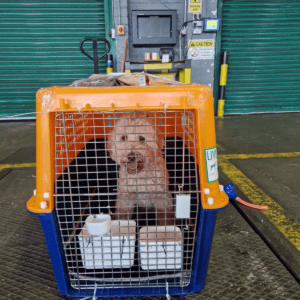
Once your pet’s flight lands, they are safely transported from the aircraft to a designated animal care facility, like the ARK at JFK International Airport.
These facilities are designed to:
- Maintain a calm, temperature-controlled environment
- Provide access to water
- Ensure pets are monitored while awaiting inspection
2. Document Verification
This is one of the most critical steps in the clearance process.
Officials review all required documentation, which may include:
- Health certificates (often issued within a specific timeframe)
- Vaccination records (such as rabies certificates)
- Import permits
- Microchip verification details
Even small discrepancies, such as incorrect dates or mismatched microchip numbers, can cause delays.
This is one of the most detail-sensitive stages of the process. WorldCare Pet works closely with pet owners and veterinarians to review documentation in advance, helping prevent common errors that could lead to delays at customs.
3. Veterinary Inspection
Depending on the destination country, your pet may undergo a physical examination by a government-approved veterinarian.
This inspection ensures:
- The pet appears healthy and free of signs of disease
- All vaccinations and treatments meet import requirements
- There are no visible concerns that could pose a risk
In some cases, additional testing or quarantine may be required.
Preparation ahead of travel is key, and WorldCare Pet ensures all required treatments and timelines are met prior to departure to support a smooth inspection.
4. Customs Processing and Clearance Approval
Depending on the country, customs clearance typically takes anywhere from 3–6 hours. Once documentation and health checks are complete, customs officials finalize the clearance.
At this stage:
- Entry is approved, or
- Additional steps (such as quarantine or further review) are required
If everything is in order, your pet is officially cleared to enter the country. With proper planning and oversight, this step is typically seamless.
5. Release to Pet Owner or Agent
After clearance, your pet is released to:
- You (the pet parent), or
- A designated pet transport agent
From there, your pet continues their journey home—with a very happy reunion waiting.
Common Reasons for Delays at Pet Customs
While many pets clear customs smoothly, delays can happen. The most common reasons include:
- Missing or incomplete documentation
- Incorrect timing of veterinary treatments
- Import permit issues
- Microchip inconsistencies
- Country-specific compliance gaps
These delays can range from a few hours to several days, depending on the issue.
Many of these issues are preventable with the right preparation. WorldCare Pet proactively manages these requirements on behalf of pet owners, significantly reducing the risk of delays.
How WorldCare Supports Pet Customs Clearance
Supporting pet parents through customs clearance requires precision, planning, and up-to-date knowledge of international regulations.
WorldCare Pet supports families with our full Door-to-Door service, which includes:
- Preparing and reviewing all documentation in advance
- Coordinating with veterinarians and government agencies
- Arranging import permits and compliance timelines
- Providing on-the-ground support at arrival airports
- Managing any unexpected issues quickly and efficiently
With over 25 years of experience, our expertise significantly reduces the risk of delays and ensures pets move through the pet import process as smoothly as possible.
Final Thoughts
Pet customs clearance may happen behind the scenes, but it plays a critical role in ensuring a safe and compliant international relocation.
With proper preparation and the right support, this step can be seamless, allowing pet parents to focus on what matters most: welcoming their pet home.
If you’re planning an international move, working with an experienced partner can make all the difference. WorldCare Pet Transport supports pet parents at every stage of the journey—including customs clearance—so you can move forward with confidence.
Have questions about customs clearance? Contact us today!
Kaitlyn Reid is a Marketing Assistant at WorldCare Pet, where she helps share stories, tips, and guidance for smooth pet relocations worldwide. A devoted dog mom to Piper, she combines her love for animals with her marketing expertise to connect pet parents with the information they need for stress-free moves. Her goal is to make every transferee’s journey as seamless and reassuring as possible.